
Robina Library Visits
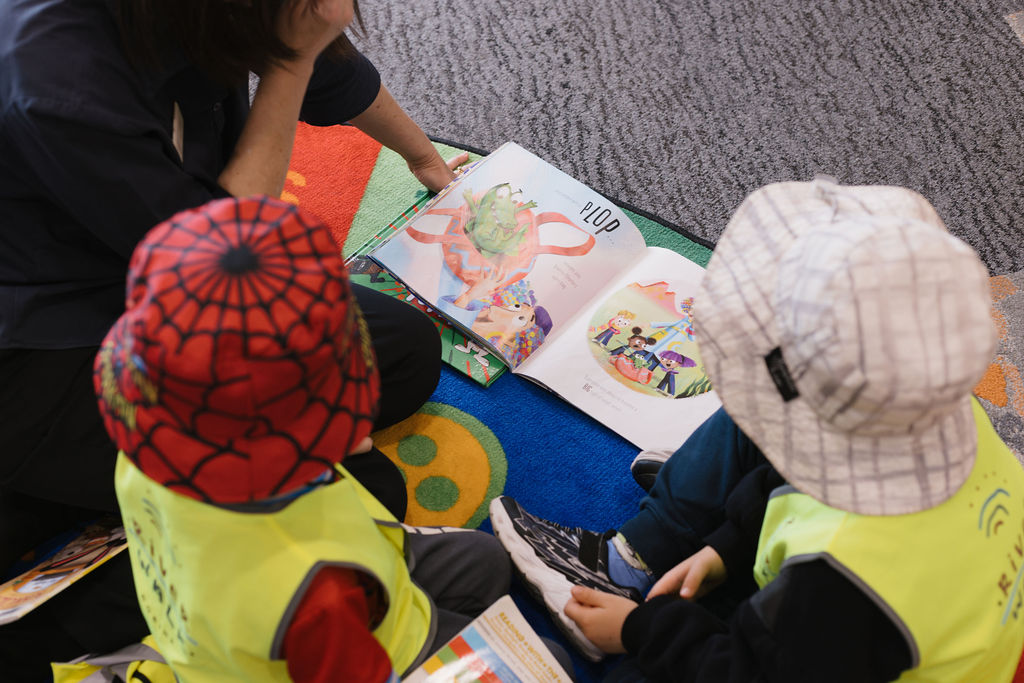
Our Language and Literacy Program is designed to nurture confident communicators who find joy in stories, conversation, and early reading experiences. With a strong focus on supporting our large bilingual community, we provide meaningful opportunities for children to build their English skills while celebrating the richness of their home languages. Through weekly visits to Robina Library, shared reading experiences, and community connections, children aged 3–5 years olds are immersed in a world of words, imagination, and learning.
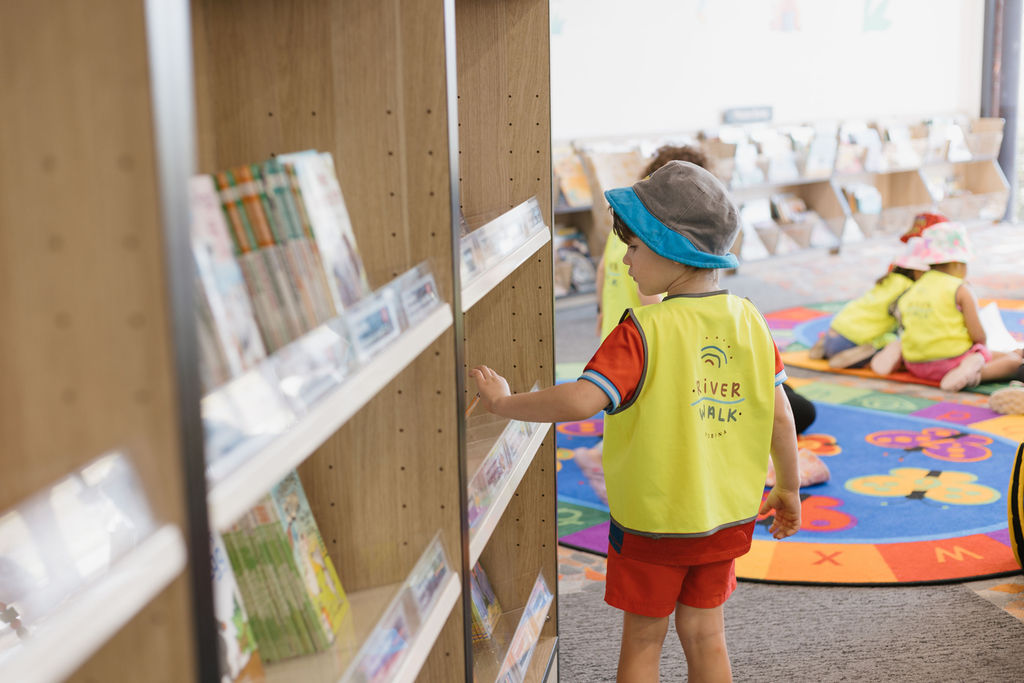
Building Strong Foundations in English
For many of our children, English is a second language, and we are committed to giving them the tools they need to thrive at school. Through purposeful conversations, play-based activities, and guided learning experiences, children strengthen their vocabulary, sentence structure, and listening skills. We support language development gently and respectfully, creating a safe space where children gain confidence expressing themselves in English.
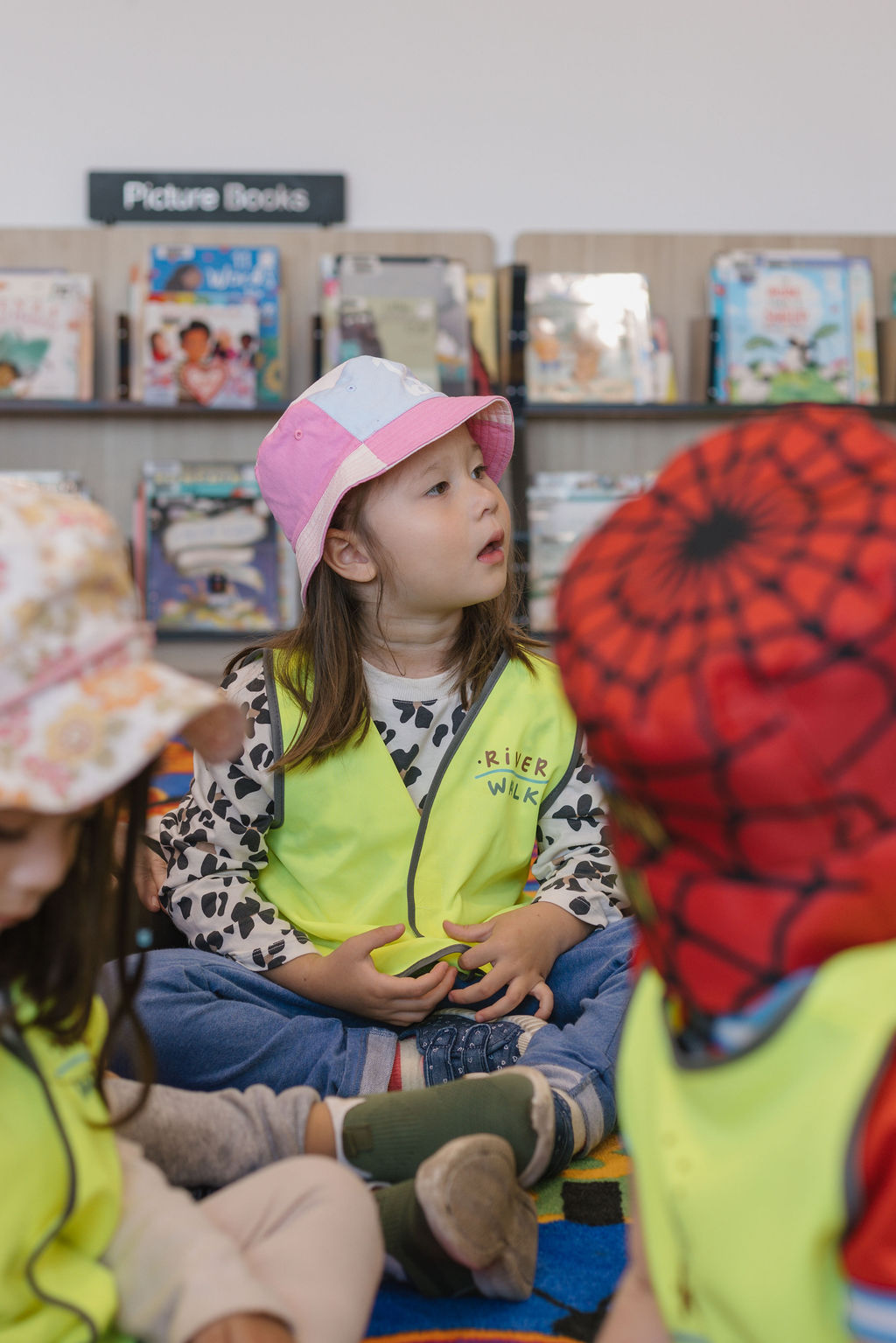
A Multilingual, Inclusive Learning Environment
We value the diverse cultural and linguistic backgrounds of our families. While English learning is essential, we also encourage children to share words, stories, and phrases from their home languages. This helps children feel proud of their identity while fostering empathy, curiosity, and respect among their peers. Our educators weave children’s cultures into learning moments to create a truly inclusive environment.
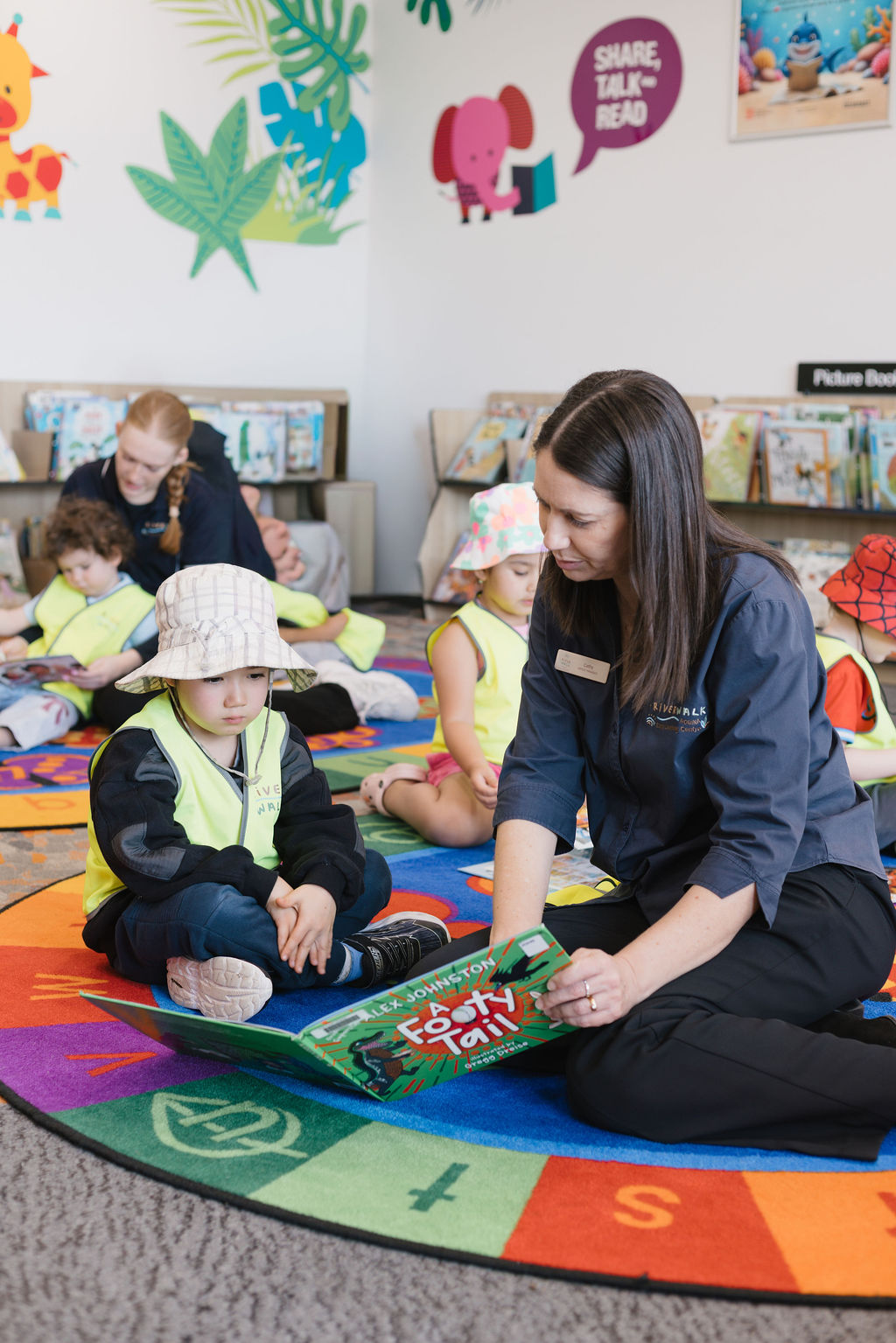
Weekly Adventures to Robina Library
Every week, our children visit Robina Library—an experience they look forward to with excitement. These excursions build children’s confidence in navigating community spaces while introducing them to the wonderful world of literature. From choosing books to exploring different sections of the library, children develop a sense of independence and belonging.
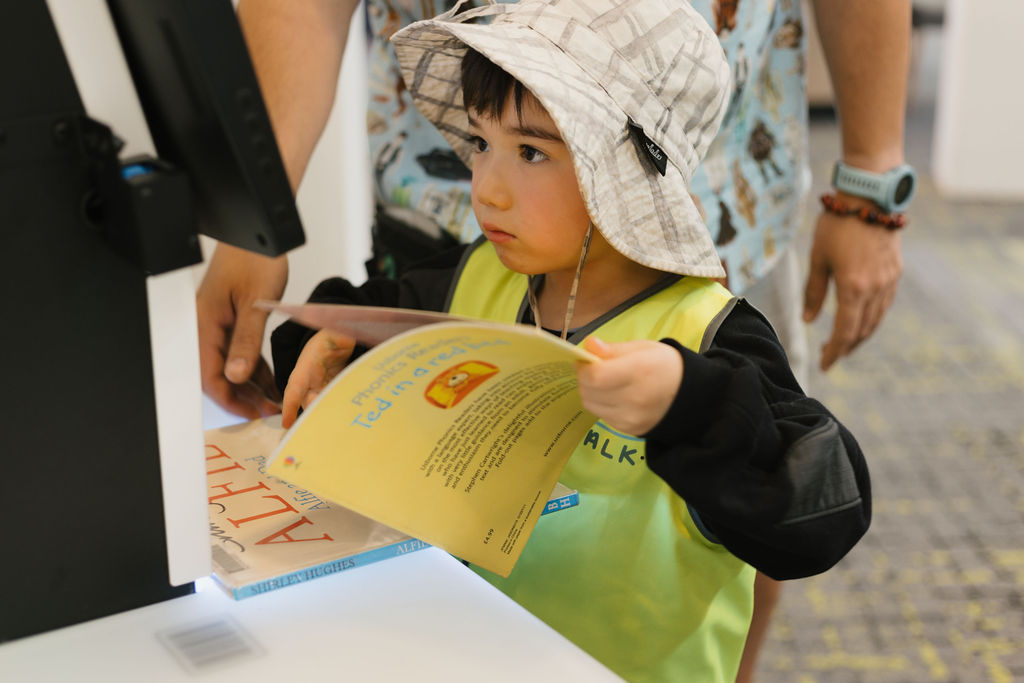
Borrowing Books to Inspire Learning at Home
During each library visit, children borrow books to take back to the centre and share with their families. This promotes a strong home–school connection and encourages parents to continue language and literacy development at home. Having access to high-quality books also supports vocabulary growth, comprehension, and a love for reading.
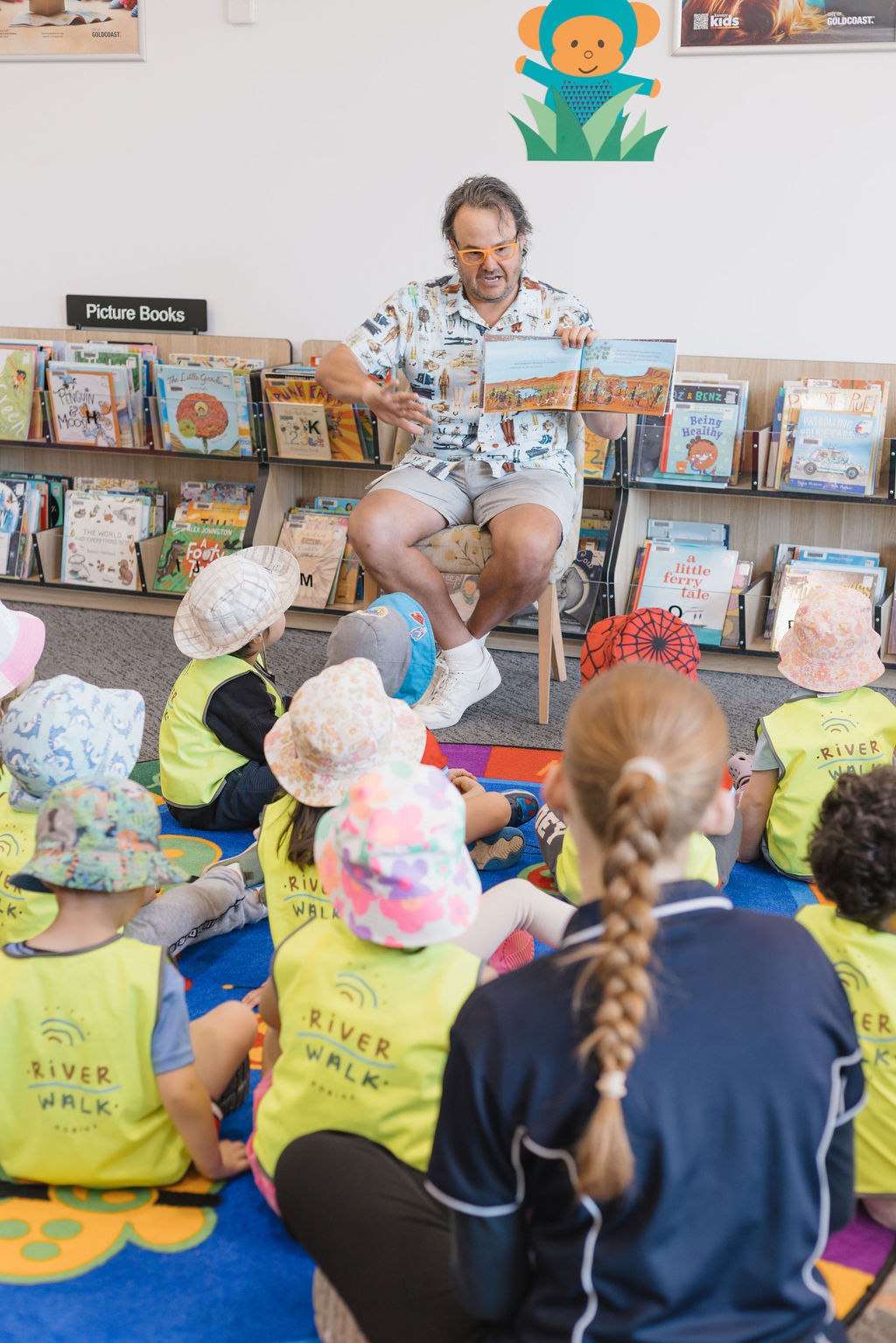
Story Time With Mr Shannon
One of the highlights of our library visits is story time with Mr Shannon. His animated storytelling, interactive questions, and joyful presence captivate the children and spark their imaginations. These sessions also model fluent reading and expressive language, helping children understand rhythm, tone, and storytelling structure.
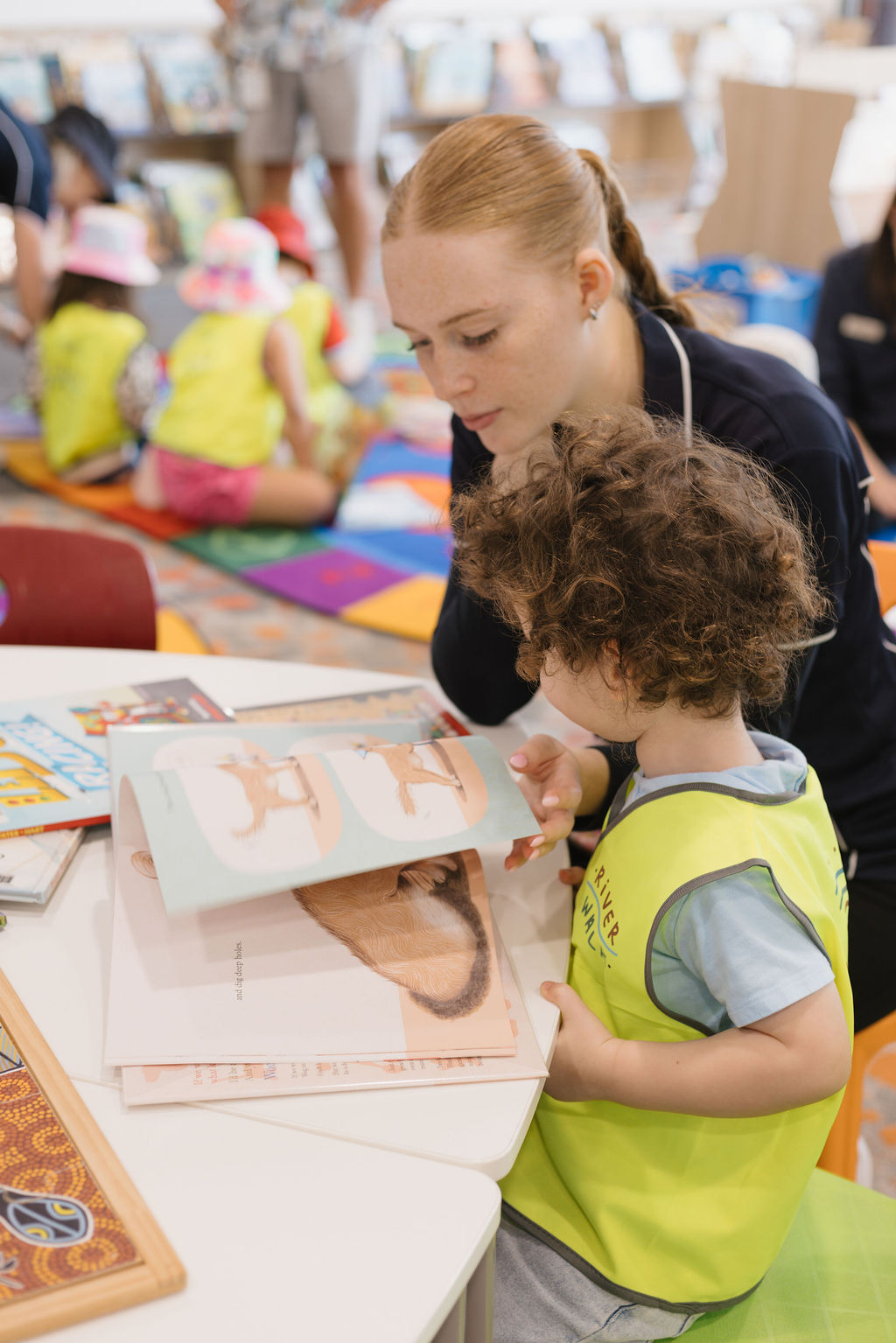
Developing Early Literacy Skills Through Play
At the centre, children engage in activities that naturally build literacy skills—such as drawing, mark-making, recognising their names, and exploring letters in playful ways. They participate in songs, rhymes, puppet stories, and group reading experiences that strengthen phonological awareness, memory, and listening.
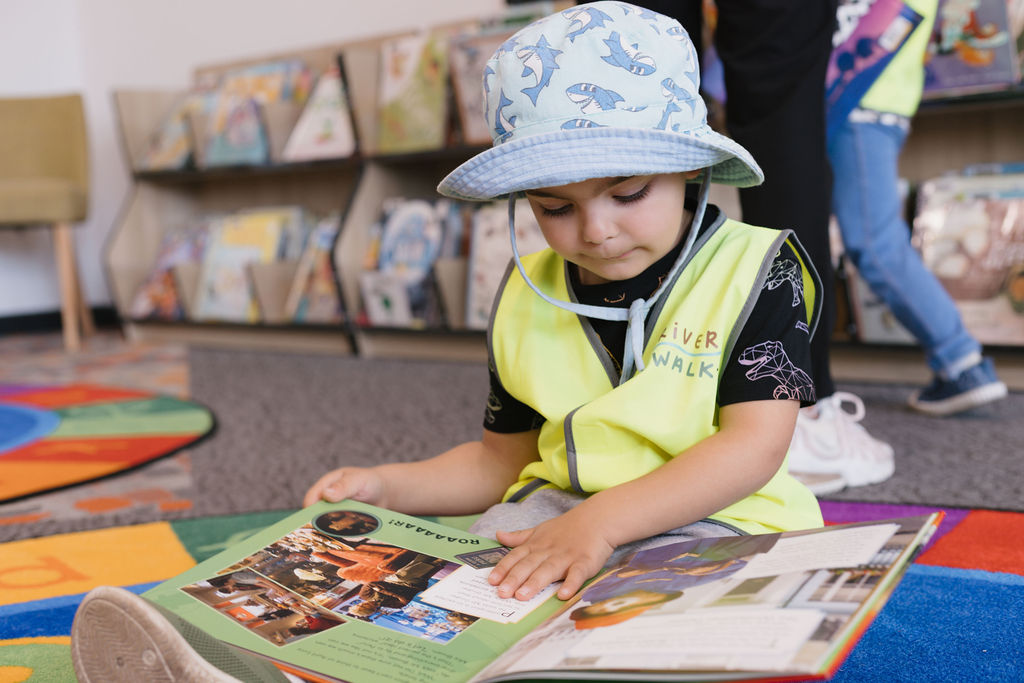
Encouraging Confident Communicators
We prioritise giving children ample opportunities to speak, ask questions, and share their thoughts. Group discussions, show-and-tell, role-play, and collaborative storytelling help children develop confidence in communicating with peers and adults. For bilingual learners, this practice is especially important in preparing them for the social demands of school.
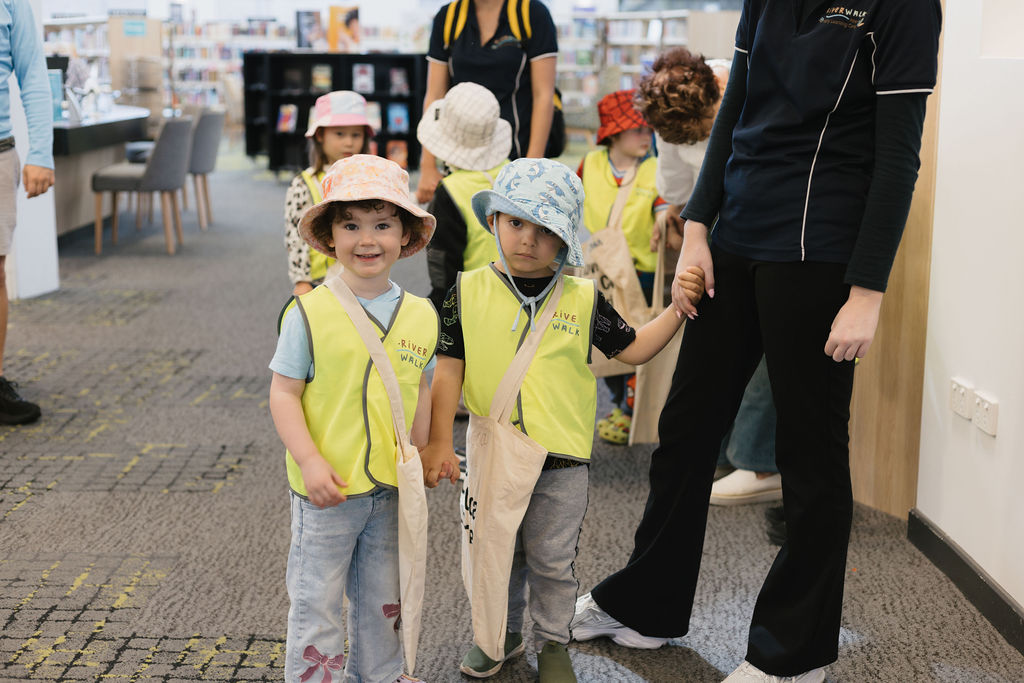
Strengthening Community Connections
Our library visits and language program help children understand that learning happens not only within the centre but also in the wider community. Engaging with librarians, exploring public spaces, and participating in group experiences help build social awareness and independence. These moments teach children to feel confident in new environments and to see themselves as active members of their community.
Preparing Children for School Success
Through consistent exposure to reading, storytelling, conversations, and community experiences, children develop the essential literacy and communication skills needed for a smooth transition to school. They leave our program as eager learners who are ready to listen, speak, understand, and participate confidently in the classroom.